|
Check out this video description of the benefits of the Alexander Technique given by Dr. Tinbergen, Nobel Laureate. He devoted a significant portion of his Nobel lecture to talking about F. M. Alexander, the Alexander Technique, and the importance of Alexander's discoveries and the benefits he and his wife experienced from lessons. Inquire. What is happening? The path to wisdom is to not look for done answers but for possibilities. Wisdom wears an indigo jacket. She takes long walks in the purple hills at twilight, pausing to meditate at an old temple near the crossroads. She was sick as a young child so she learned to be alone with herself at an early age.
Wisdom has a quiet mind. She likes to think about the edges where things spill into each other and become their opposites. She knows how to look at things inside and out. Sometimes her eyes go out to the things she is looking at, and sometimes the thing she is looking at enters through her eyes. Questions of time, depth, and balance interest her. She is not looking for answers. (J. Ruth Gendler) 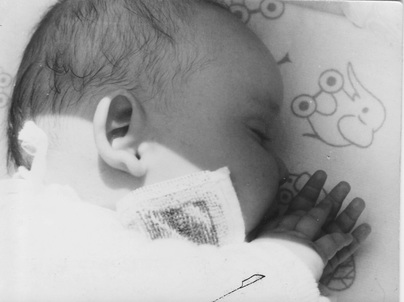 For more than half a century, scientists have studied how the surface of the body is mapped in parts of the brain associated with touch.
That research has focused largely on “body maps” that show how certain parts of the brain correspond point-for-point with the body’s topography. These body maps have been studied extensively in adult humans and other primates, but how they develop in babies, and how they relate to other aspects of infant development, have been little understood. Researchers at the University of Washington’s Institute for Learning & Brain Sciences (I-LABS) are among the first scientists worldwide to study body maps in the infant brain. http://neurosciencenews.com/baby-brain-body-mapping-2590/ 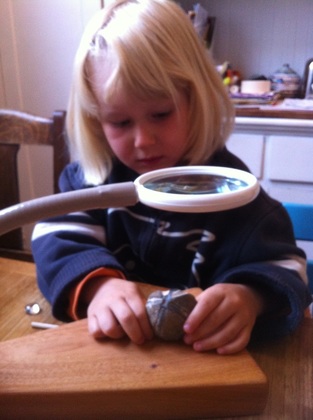 "Over the past decade, more and more children are being coded as having attention issues and possibly ADHD. A local elementary teacher tells me that at least eight of her twenty-two students have trouble paying attention on a good day.
At the same time, children are expected to sit for longer periods of time. In fact, even kindergarteners are being asked to sit for thirty minutes during circle time at some schools. The problem: children are constantly in an upright position these days. It is rare to find children rolling down hills, climbing trees, and spinning in circles just for fun. Merry-go-rounds and teeter-totters are a thing of the past. Recess times have shortened due to increasing educational demands, and children rarely play outdoors due to parental fears, liability issues, and the hectic schedules of modern-day society. Lets face it: Children are not nearly moving enough, and it is really starting to become a problem. read more here https://www.washingtonpost.com Body Mapping Series at SF Sivananda Yoga Ashram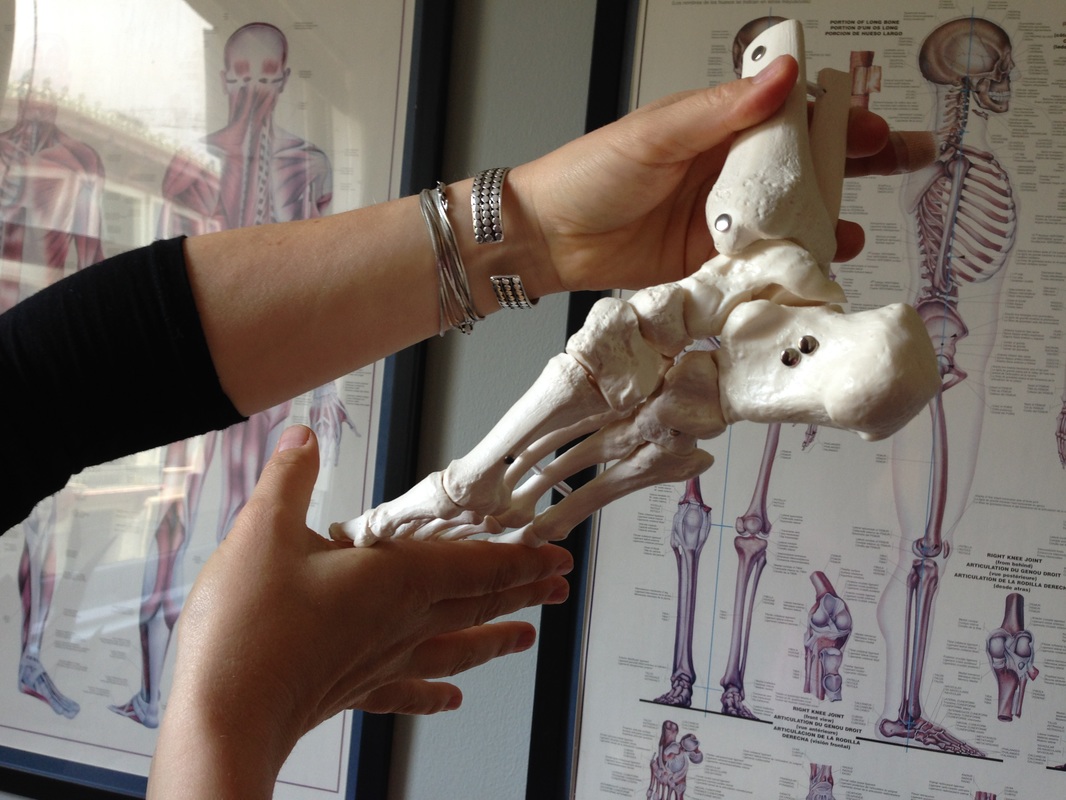 Primary Body Mapping & Functional Movement for Yogis: A Three Week Course
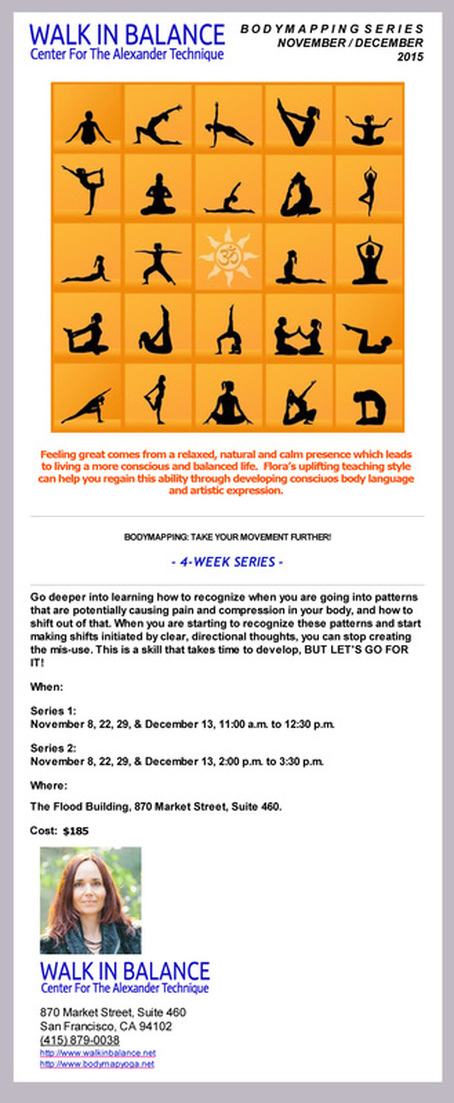
Flora D.H.Ojanen (www.walkinbalance.net) is teaching a 3-week series offering mindful tools based on the Alexander Technique, emphasizing functional whole body coordination rather than flexibility, quality of movement rather than how far or how deep you can move. This clear and simple approach uses body mapping to help you establish references in the body for safely moving through poses without blocking the flow of energy, circulation, or breath. In each class we will carefully deconstruct and rebuild poses highlighting the new awareness. This series is suited for all yoga practitioners, no matter age or ability. Come and treat your body with care, curiosity and reference. Three Tuesdays: Oct. 13, 20, 27, 6:30-8:30pm Fee: $85, $75 early bird by 10/6, 2015 WEEK 1: PRIMARY BODY MAPPING & FUNCTIONAL MOVEMENT FOR YOGIS Tuesday Oct 13, 2015 From: 6:30 PM - 8:30 PM Exploration into practical guidelines the Alexander Technique offers for inhabiting your body with more ease and poise. We will look at standing and sitting poses. WEEK 2: PRIMARY BODY MAPPING & FUNCTIONAL MOVEMENT FOR YOGIS Tuesday Oct 20, 2015 From: 6:30 PM - 8:30 PM Emphasis is on using the conscious mind to activate spaciousness in postures through the cultivation of accurate self-awareness and kinesthesia. We will look at Inversions and Forward Bends. WEEK 3: PRIMARY BODY MAPPING & FUNCTIONAL MOVEMENT FOR YOGIS Tuesday Oct. 27, 2015 From: 6:30 PM - 8:30 PM Emphasis is on breath, rest and spacial awareness, on and off the mat. There will be time for Q&A. |
Walk In Balance Center BlogHow To Thrive Being Human In Our Modern World.
Meet Daily Stressors and Life's Challenges with a Spacious Body & Conscious Mind. Archives
January 2020
Categories
All
|

Berlin
|

Tai Chi / Qi Gong BerlinAlexander TechniqueNow In BErlinStudy onlineContactREVIEWS
|
© Copyright Walk In Balance Alexander Technique Center I 2024 All Rights Reserved.